
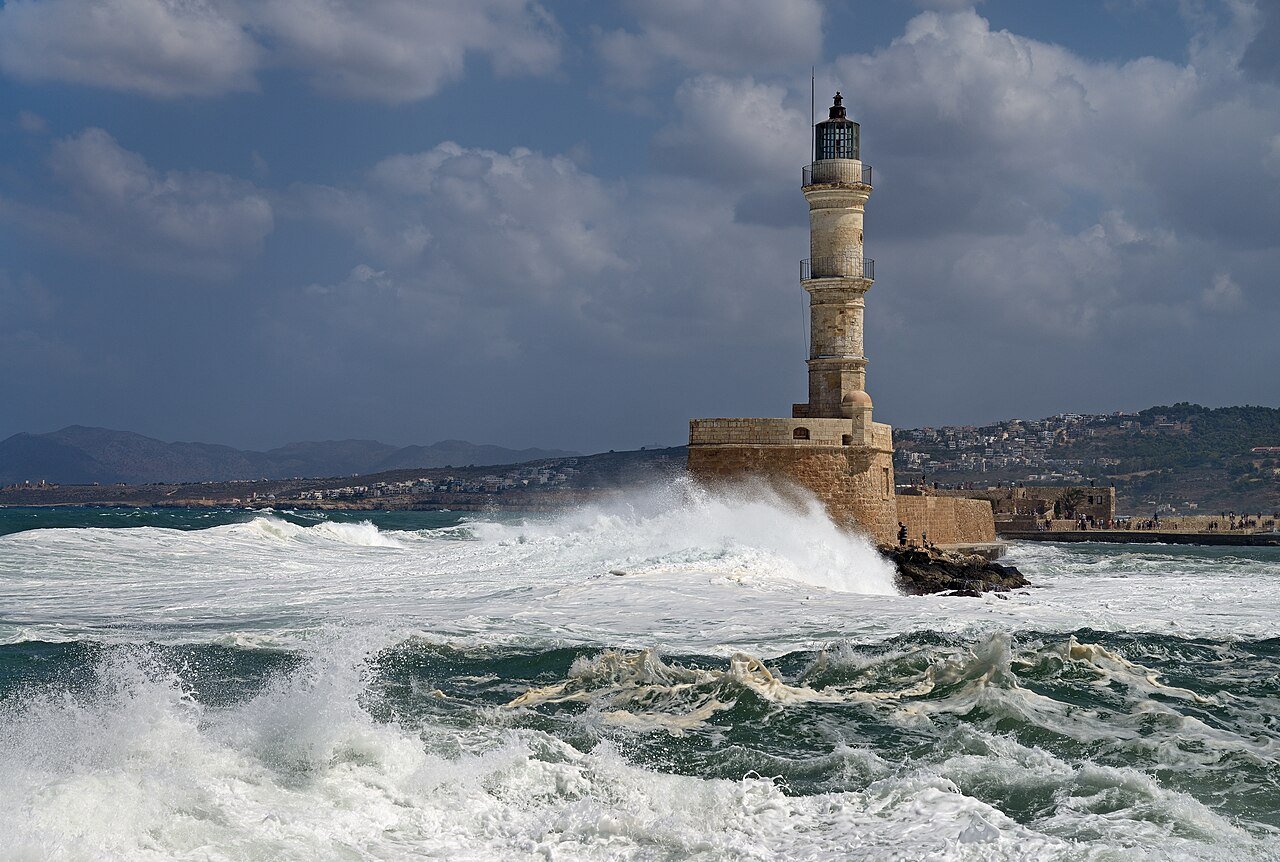
By November, the beach crowds have gone home and Crete gets back to its own rhythm. Copper stills are lit in village yards, nets are spread under the olive trees, and the old towns go back to belonging to the people who live in them. The sea is cooler and the days are shorter, but this is when the island feels most like itself. Here are six ways to spend a slow November week, along with an honest note on what closes for the winter.
Find the warmth around the kazani
Once the grape harvest is over, the leftover skins and stems ferment for a few weeks and then go into a copper still, the kazani, to become tsikoudia (Cretan raki). The distilling season runs from roughly October into December. Lighting the still is a social event, with neighbours bringing food, wine and conversation while the spirit drips slowly. Most kazania are private gatherings, so the easiest way in is a distillery that welcomes visitors, such as those near Rethymno, or a village raki festival. If someone waves you over to a fire, accept the glass and stay a while.
Taste the new olive oil
In much of Greece, November marks the heart of the olive harvest. Early picking of green olives starts in October and produces agoureleo, a sharp, peppery oil, while the main harvest usually runs through November and December. Crete is one of the most rewarding places to see it. Growers and mills across the island offer harvest days, tastings and cooking sessions, and some areas, such as Kissamos in the west, have held olive festivals; dates change each year, so ask locally. Bring shoes you don't mind getting muddy, and buy a bottle straight from the press.
See Knossos without the summer queues
The Minoan palace at Knossos, which joined the UNESCO World Heritage List in 2025 as part of the Minoan Palatial Centres, is far calmer in November than in high summer. Winter hours run from 1 November to 31 March: the site is open daily from 08:00 to 17:00, with last admission 20 minutes before closing. A full ticket costs €20 (€10 reduced), and you can book online through the official Hellenic Heritage site. Entry is free on the first and third Sunday of each month in winter, which can be busier. Check before you travel, and arrive early for soft light and near-empty paths.
Spend an afternoon in the Heraklion Archaeological Museum
Knossos makes much more sense once you've seen what was found there. The Heraklion Archaeological Museum holds one of the world's great collections of Minoan art, from frescoes to fine pottery and small, astonishing objects. On a grey or rainy November day, it is the best use of a few hours on the island. In winter, from 1 November to 31 March, it is open 08:30–15:30 on most days and 10:00–17:00 on Wednesdays, with last admission 20 minutes before closing, and a full ticket costs €20. Check before you travel, then pair it with a coffee and a wander through central Heraklion.
Wander Rethymno's old town out of season
Rethymno has one of the best-preserved medieval old towns in Greece. Its lanes mix Venetian arches, Ottoman minarets and old hammams, with small craft workshops tucked in between. The Venetian Fortezza looks over the town from above, and the little harbour with its lighthouse is lovely at dusk. Because the university keeps the town busy with students all year, Rethymno doesn't empty out in winter the way resort strips do. Cafés and tavernas stay full of locals, and November is when you see the town as it really is.
Walk the Imbros Gorge instead of Samaria
Samaria, Crete's best-known gorge, only opens to walkers in the warmer months, usually from May to mid-October, so it is closed in November. Imbros, also in the Sfakia area, makes a gentler alternative. It runs about 11 km from the village of Imbros down to Komitades, usually takes three to four hours, and is considered suitable for most reasonably fit walkers. Check locally that the gorge is open, and go only in dry weather, since autumn rain can make gorges unsafe. Public buses to the trailhead are mainly a summer service, so plan your transport ahead.
A practical note for November
November is a quiet month, and many places close for it. Many beach hotels, seasonal tavernas and resort-area shops shut from late October, especially on the north-coast strips and in small coastal villages. Bus timetables are reduced and boat trips to places like Balos are mostly finished for the year. Expect shorter days and the chance of heavy rain. The cities (Chania, Rethymno and Heraklion) stay lively, so they make the best bases, and a hire car gives you the freedom to chase dry weather. In Chania, the restored Municipal Market is expected to reopen in December 2026 after earlier delays. Check before you travel.
The Crete guide
Routes with stops in order, what is in season in your travel month, and where to base yourself.
Open the Crete guide →Explore Chania by e-bike
E-bikes to rent around Chania. Availability may be limited in winter, so check dates when you book.
See options on bFlex →Offered by our partner bFlex. We may earn a commission if you book through this link.Sources
- Hellenic Heritage (official ticketing) · Knossos
- Hellenic Heritage (official ticketing) · Archaeological Museum of Heraklion
- Travel.gr · Crete's making of tsikoudia
- Discover Greece · The olive harvest
- Visit Greece · Rethymno
- Visit Greece · Chania
- Samaria National Park
- Greeka · Imbros Gorge
- Argophilia · Chania Municipal Market
Opening hours and prices were checked on 12 November 2026 and can change. Confirm with the official provider before you travel.
Next read: Rhodes Off-Season: 6 Historic Sites Without the Crowds → · All seasonal reads